From Regulation to Enforcement: How COMESA Institutions are Strengthening Regional Justice


The complementary roles of two key COMESA institutions—one focused on regulation and the other on enforcement—took centre stage during a dynamic discussion among legal practitioners in Livingstone, Zambia.
The occasion was the 13th Annual Conference of the Law Association of Zambia (LAZ), where the COMESA Court of Justice (CCJ) and the COMESA Competition and Consumer Commission (CCCC) shared how their institutional synergy facilitates the transition from regulation to effective enforcement across the Common Market, which comprises 21 Member States.
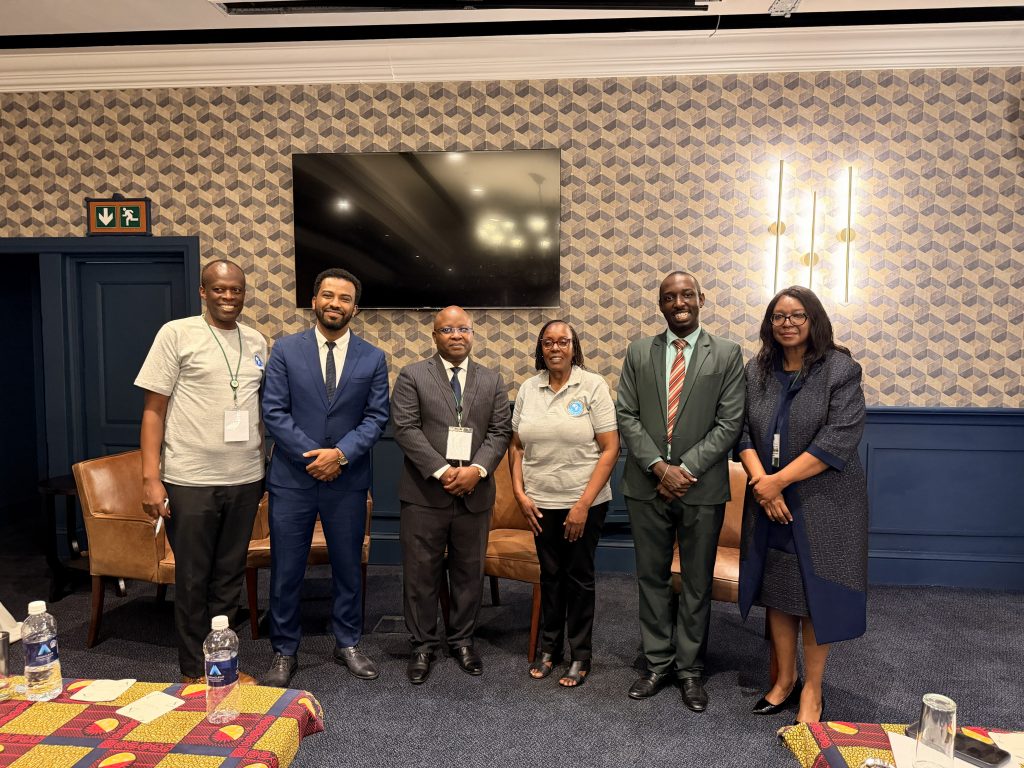
This collaboration is anchored in the COMESA Court of Justice Rules of Procedure, 2025 and the COMESA Competition and Consumer Protection Regulations, 2025, —two legal frameworks that collectively strengthen the region’s regulatory and judicial architecture. These two are critical for the legal practitioners in the region to be aware about.
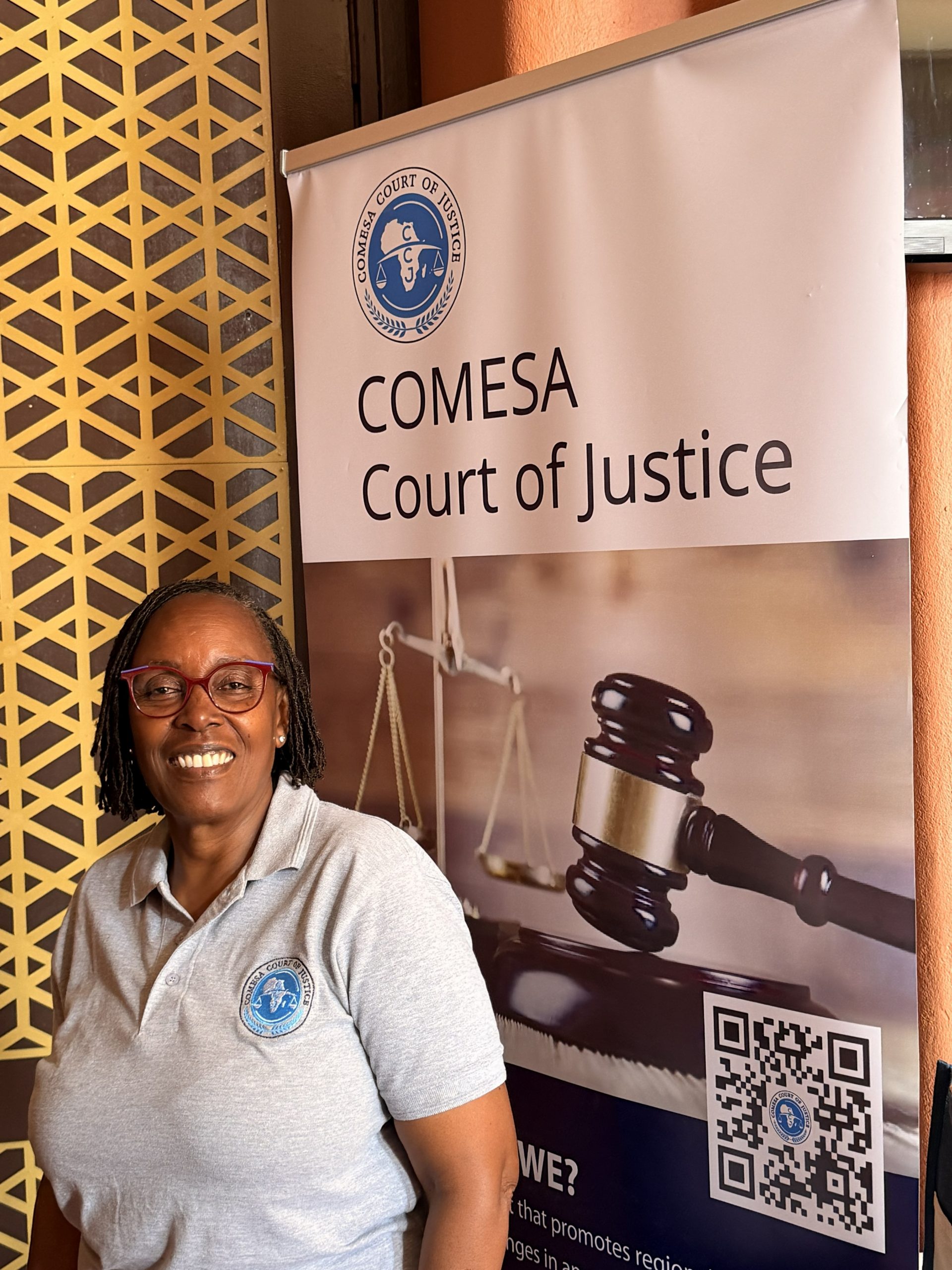

Speaking at the 5-day conference, which commenced on 7 April 2026, CCJ Assistant Registrar, Anthony Asiimwe emphasized that regulation alone is insufficient to guarantee compliance in consumer protection.

“The critical question for both the CCJ and the CCCC is how we move from regulatory decisions to enforceable outcomes across Member States. The answer lies in the complementary relationship between the two,” he noted.
While the CCCC is mandated with regulatory enforcement, the CCJ provides judicial oversight, ensuring the uniform interpretation and application of the COMESA Treaty—the legal foundation underpinning regional economic integration.
Under its competition mandate, the Treaty establishes the legal basis for the CCCC’s authority, requiring Member States to prohibit and penalize practices that undermine free and liberalized trade. In parallel, the CCJ is vested with jurisdiction to hear all matters referred to it under the Treaty, including cases brought by individuals challenging the legality of actions taken by Member States.

“The CCCC and the CCJ thus operate as integral components of a unified legal and regulatory system,” Asiimwe added.
In practice, the CCCC delivers specialized regulatory enforcement, while the CCJ ensures legality, consistency, and effective implementation across Member States. The effectiveness of the Commission’s decisions is reinforced by the Court’s authority, while the Court’s jurisprudence gains practical relevance through the Commission’s regulatory work.
As Asiimwe underscored:
“Without the CCJ, regulation would remain administrative—persuasive but not coercive. With the CCJ, regulation becomes binding law, enforceable across the Common Market.”

The 2025 Regulations have further strengthened this institutional interplay, enhancing COMESA’s capacity to promote competitive markets, safeguard consumers, and advance regional economic integration.
The conference, held under the theme “Lawyers as Pillars of Economic Stability and Democracy,” provided an ideal platform to raise awareness among legal practitioners about the general and specialized jurisdiction of the CCJ, including references brought under the 2025 CCCC Regulations.
The event brought together members of the bar and bench in Zambia, alongside representatives of the two COMESA institutions, led by CCJ Registrar Hon. Nyambura Mbatia and CCCC Chief Executive Officer Dr. Willard Mwemba. Zambia’s Chief Justice, Dr. Mumba Malila, delivered the keynote address.